
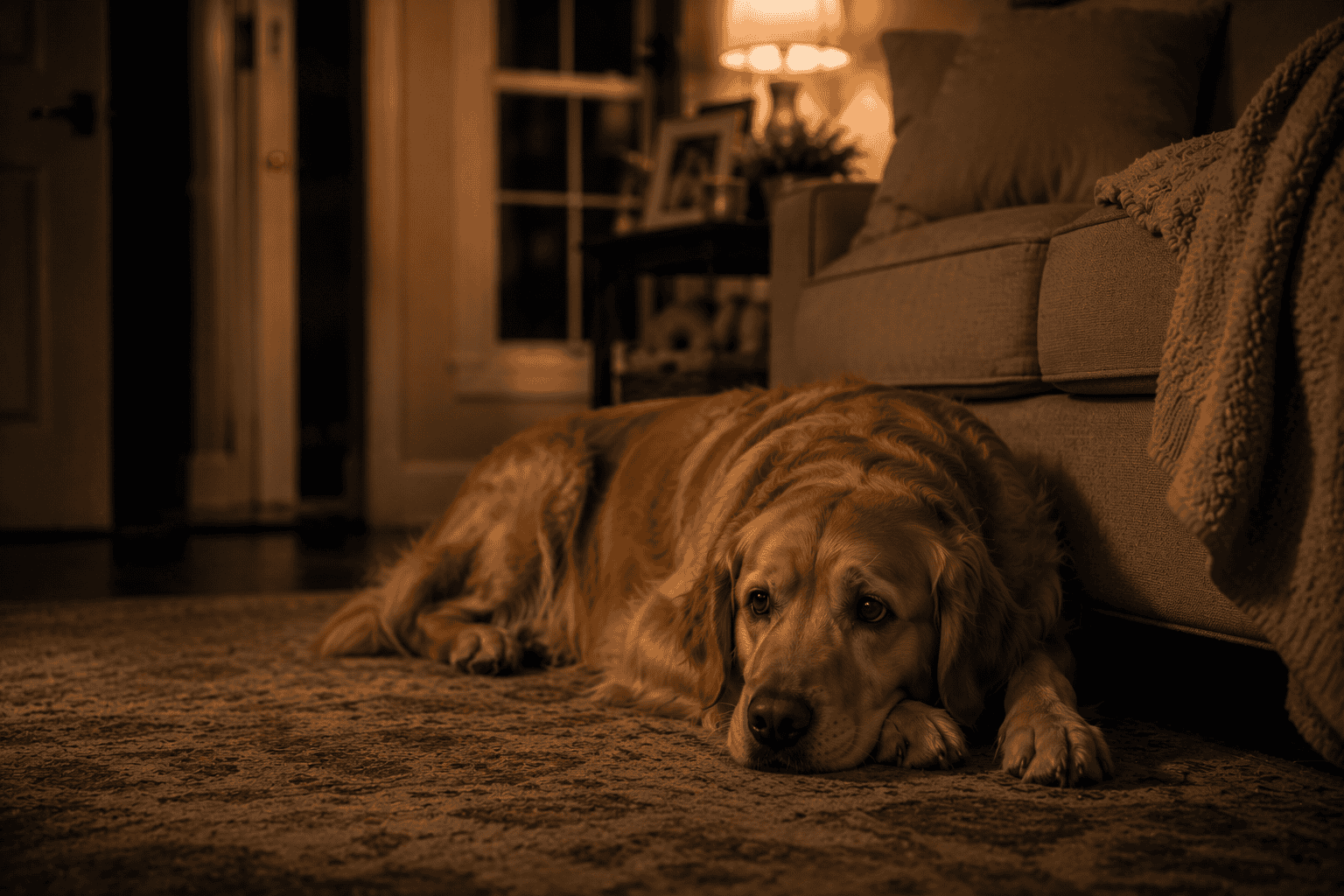
Most dog owners notice anxiety gradually. At first, the signs are often subtle. Maybe your dog suddenly follows you into every room. Maybe they begin pacing around the house late at night or become unusually restless during storms. Some dogs start whining more often, chewing furniture, or struggling to relax even in familiar environments.
Many owners assume these behaviors are simply “bad habits” or excess energy. But in reality, dogs often use behavior to communicate emotional stress. Learning to recognize the signs of anxiety in dogs early can make a major difference in your dog’s emotional wellness, long-term behavior, and overall quality of life.
The earlier anxiety is identified, the easier it usually becomes to help dogs feel calmer, safer, and more emotionally balanced.
What Anxiety Looks Like in Dogs
Anxiety in dogs does not always appear dramatic. Some anxious dogs bark excessively or panic during storms, while others become extremely quiet and withdrawn. This is why many owners accidentally overlook early warning signs.
Dogs experience emotional stress differently depending on:
- personality
- breed
- environment
- age
- past experiences
- routine stability
Some dogs become hyperactive when anxious, while others freeze or hide. Understanding these emotional patterns is one of the most important parts of responsible dog ownership.
Common Signs of Anxiety in Dogs
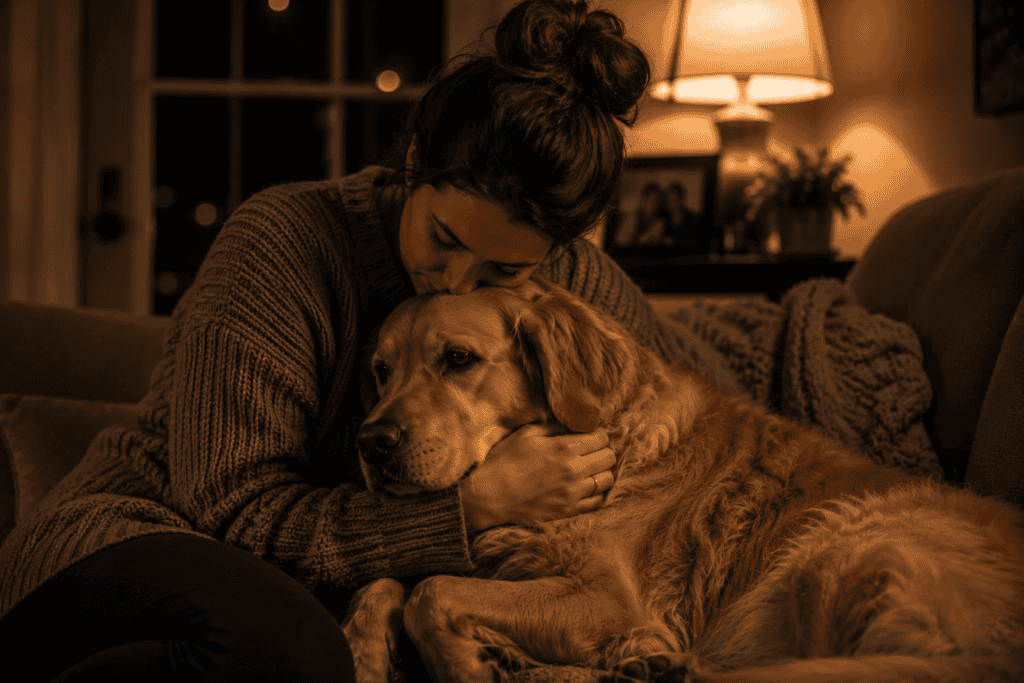
Many anxious dogs display several stress behaviors at the same time.
Recognizing patterns is often more important than focusing on one isolated symptom.
Panting and Pacing
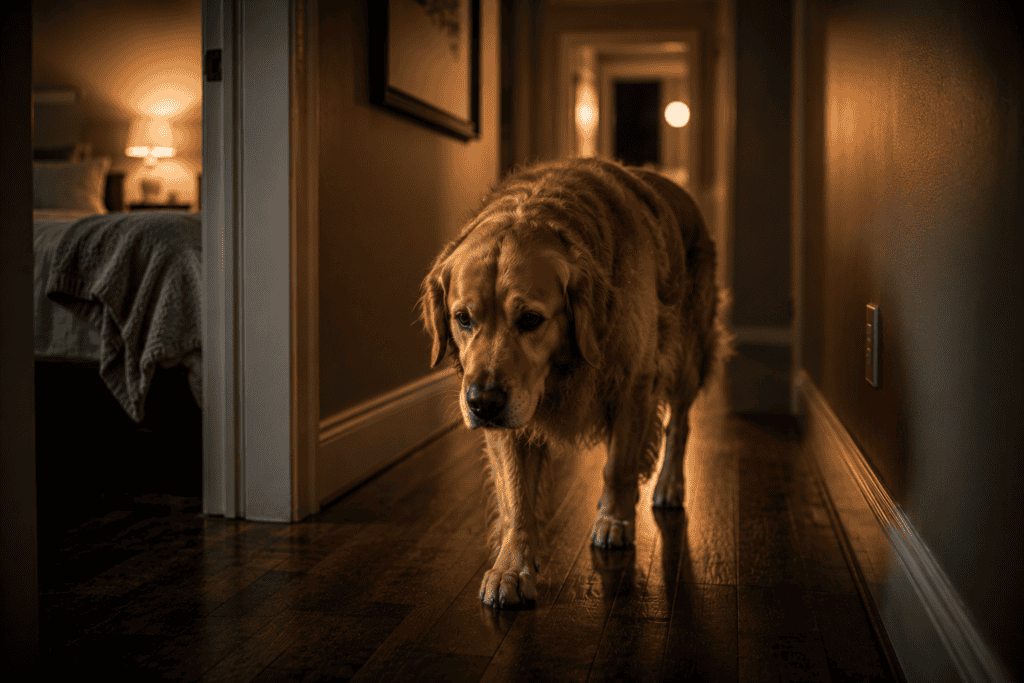
One of the most common dog stress symptoms is repetitive pacing combined with panting.
Anxious dogs may:
- walk through hallways repeatedly
- refuse to settle down
- change sleeping spots constantly
- pace before bedtime
- pant heavily indoors without physical activity
Nighttime pacing is especially common in dogs experiencing emotional overstimulation or nighttime anxiety.
Some dogs pace most heavily late at night when the environment becomes quieter. Owners noticing this behavior may also want to read Why Is My Dog Pacing at Night? to better understand nighttime anxiety triggers.
Clingy Behavior
Anxious dogs often become unusually attached to their owners.
This may include:
- following owners constantly
- refusing to stay alone
- whining when separated
- sleeping extremely close to people
- becoming distressed when routines change
While affection itself is normal, sudden clingy behavior sometimes signals emotional insecurity.
Rescue dogs and newly adopted dogs frequently display these behaviors while adjusting to unfamiliar environments.
Whining and Barking
Vocal behaviors often increase when dogs feel stressed.
Some anxious dogs:
- bark at small noises
- whine before bedtime
- bark excessively during storms
- vocalize when left alone
These reactions are commonly linked to fear, overstimulation, or environmental sensitivity. Dogs that bark excessively at night may also benefit from reading Why Dogs Bark at Night and How to Stop It.
Destructive Chewing
Chewing is not always caused by boredom. Many dogs chew furniture, shoes, blankets, or household objects when feeling anxious or emotionally overwhelmed.
This behavior often appears:
- during owner absences
- after stressful events
- late at night
- during thunderstorms
Destructive chewing is particularly common in younger dogs and highly intelligent breeds.
Noise Sensitivity
Some dogs are naturally sensitive to sound.
Common triggers include:
- fireworks
- thunderstorms
- apartment noise
- traffic sounds
- household appliances
Noise-sensitive dogs may:
- shake
- hide
- pace
- bark suddenly
- refuse to relax
Nighttime often intensifies these reactions because quiet environments make outside sounds more noticeable.
Why Dogs Become Anxious
Dog anxiety usually develops from multiple contributing factors.
Changes in Routine
Dogs thrive on predictability.
Sudden schedule changes involving:
- moving homes
- travel
- visitors
- boarding
- owner work schedules
can create emotional stress, especially for sensitive dogs.
Lack of Mental Stimulation
Mental enrichment is extremely important for emotional wellness.
Dogs who lack stimulation may develop:
- pacing
- barking
- hyperactivity
- destructive behavior
- frustration
Daily enrichment activities can dramatically improve emotional balance.
Helpful options include:
- sniff walks
- puzzle feeders
- obedience games
- lick mats
- training exercises
Owners looking for additional calming strategies may also find helpful ideas in How to Calm an Anxious Dog Naturally.
Fearful Past Experiences
Dogs with difficult backgrounds sometimes remain emotionally sensitive long after adoption.
This is particularly common in:
- rescue dogs
- rehomed dogs
- dogs with unstable early environments
These dogs often require extra patience, consistency, and emotional reassurance.
How to Help an Anxious Dog Feel Calm
The goal is not simply stopping anxious behavior.
The real goal is helping dogs feel emotionally safe.
Create Predictable Routines
Predictability creates emotional security.
Dogs often relax more easily when daily routines remain consistent.
Helpful habits include:
- regular walks
- consistent feeding schedules
- calm bedtime routines
- structured exercise
- quiet evening environments
Increase Mental Enrichment
Mental stimulation helps dogs release nervous energy naturally.
Puzzle toys, scent games, obedience training, and enrichment feeding are excellent ways to support emotional wellness.
Many anxious dogs improve significantly when boredom decreases.
Provide a Comfortable Resting Space
Some dogs settle more easily when they have:
- supportive calming beds
- quiet sleeping areas
- white noise
- familiar blankets
- low lighting
Comfort plays a surprisingly important role in helping anxious dogs relax.
Helpful Products for Dog Anxiety
Affiliate-friendly products that may help anxious dogs include:
- orthopedic calming beds
- puzzle feeders
- lick mats
- anxiety wraps
- calming chews
- slow feeders
When recommending products, focus on:
- comfort
- emotional support
- practical routines
- realistic benefits
Natural recommendations feel more trustworthy than aggressive sales language.
When to Speak With Your Veterinarian
Some anxiety symptoms may overlap with medical problems.
Speak with your veterinarian if your dog suddenly develops:
- severe pacing
- loss of appetite
- heavy panting
- confusion
- trembling
- aggression
- nighttime disorientation
Medical conditions can sometimes appear very similar to anxiety-related behaviors.
FAQ
Q: Can dogs develop anxiety suddenly?
A: Yes. Changes in routine, traumatic experiences, illness, aging, or environmental stress may trigger anxiety unexpectedly.
Q: Why does my dog seem more anxious at night?
A: Nighttime often increases environmental sensitivity because dogs become more aware of sounds, movement, and routine changes.
Q: Are some dog breeds naturally more anxious?
A: Some breeds are more emotionally sensitive or energetic, but anxiety can affect any dog depending on life experiences and environment.
Q: Do calming products actually help anxious dogs?
A: Many dogs respond positively to calming beds, enrichment toys, and anxiety-support products when combined with healthy routines and emotional support.
Final Thoughts
Dogs communicate emotional stress through behavior long before problems become severe.
Pacing, whining, clingy behavior, barking, and restlessness are often signs that dogs feel emotionally overwhelmed rather than intentionally disobedient.
Understanding these early warning signs gives owners the opportunity to provide support before anxiety becomes deeply ingrained.
With patience, predictable routines, mental enrichment, and emotional reassurance, many anxious dogs can become significantly calmer, more confident, and more emotionally secure over time.