
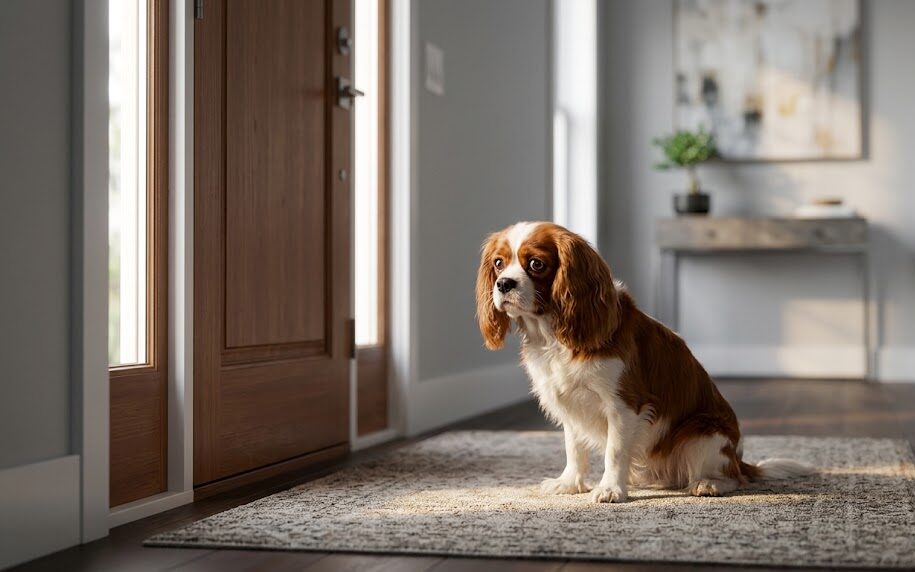
Hearing your dog vocalize their distress the second you lock the front door is an emotionally draining experience that leaves many pet owners feeling deeply guilty. This behavioral issue is incredibly common, yet finding a sustainable answer requires moving past quick fixes to look at their emotional wellness. You need to understand what is driving this vocal panic to truly restore peace to your household.
Unpacking exactly why does my dog cry when i leave the house is the foundational step toward teaching your canine companion how to cope with solitude. By evaluating whether the vocalization stems from temporary puppy confusion or deep-seated panic, you can customize your training approach effectively. This comprehensive guide breaks down the behavioral science behind their tears and offers practical solutions.
Deciphering the Root Causes Behind the Tears
Before attempting any behavior modification, you must carefully evaluate the underlying motivation behind your dog’s vocal habits. A dog crying when left alone is rarely acting out of spite or trying to dominate the household. Instead, they are communicating an internal emotional state that they simply cannot regulate without your guidance.
Distinguishing Between Attention-Seeking and Separation Panic
Young puppies frequently whine simply because they want to follow you and participate in whatever activity you are doing. This natural behavior pattern requires structured boundaries so that it does not eventually snowball into serious long-term isolation distress. To see if your pet’s current neediness fits a larger pattern of emotional distress, read our guide on the primary signs of anxiety in dogs right away.
Recognizing Signs of Dog Separation Anxiety
True separation distress is a physiological panic attack that renders your pet completely incapable of calming down in your absence. This intense fear often causes secondary behaviors like heavy panting, frantic scratching at exit zones, or destructive chewing on household items. If your dog also follows you constantly from room to room when you are home, check out our insights on why is my dog suddenly so clingy to restore healthy independence.
Actionable Behavioral Strategies to Calm a Whining Dog
Resolving departure distress requires a patient, multi-layered approach that changes how your dog views your daily absences. You must systematically replace their fear of isolation with a feeling of safety and predictable comfort. Consistency from every family member is absolutely vital to making this training protocol stick.
Deconstructing Your Daily Departure Triggers
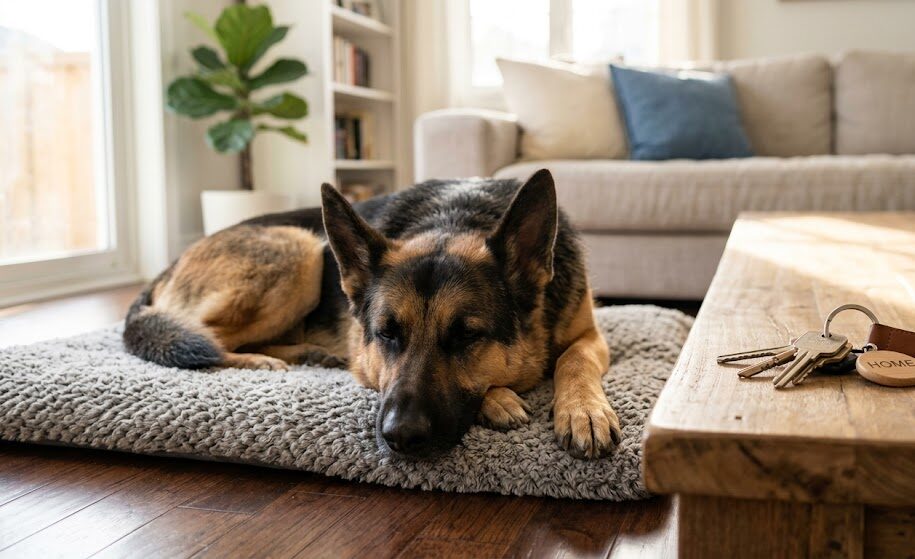
Dogs effortlessly memorize the specific cues that signal your imminent departure, such as grabbing your keys or putting on a heavy coat. These subtle actions cause their internal stress levels to spike long before you actually step outside the door. Break this predictive cycle by picking up your keys or wearing your coat at random times without leaving, stripping those items of their scary meaning.
Implementing Gradual Desensitization Training
To stop puppy whining at departure permanently, you must gradually build up their tolerance for your absence over time. Start by leaving the room for just a few seconds, then rewarding your dog only when they remain completely quiet and relaxed. Slowly increase these brief durations over several weeks, ensuring you never push your dog past their comfort threshold.
Premium Amazon Affiliate Tools to Reduce Separation Distress
Providing your dog with specialized comforting tools can significantly lower their baseline stress when they are home alone. These product solutions work beautifully when paired with your ongoing desensitization training program.
Departure Distress Calming Gear
| Product Category | Primary Behavioral Benefit | Best Strategic Usage | Check on Amazon |
|---|---|---|---|
| Calming Pheromone Diffuser | Releases synthetic pheromones that mimic a mother dog’s soothing scent. | Plugged near main safe zone | View Price ➔ |
| Interactive Puzzle Toy | Redirects frantic mental focus into constructive, food-based problem solving. | Given at departure with treats | View Price ➔ |
| Calming White Noise Machine | Successfully masks sudden external noises that trigger alertness. | Placed near the room entryway | View Price ➔ |
Utilizing Brain Games for Canine Isolation Distress Solutions
An under-stimulated brain will automatically amplify feelings of loneliness and fear when the house grows completely silent. Shifting your dog’s focus toward independent foraging tasks exhausts their mental energy while building positive associations with being alone. A mentally tired dog is far more likely to sleep than cry.
The Power of Repetitive Licking and Chewing
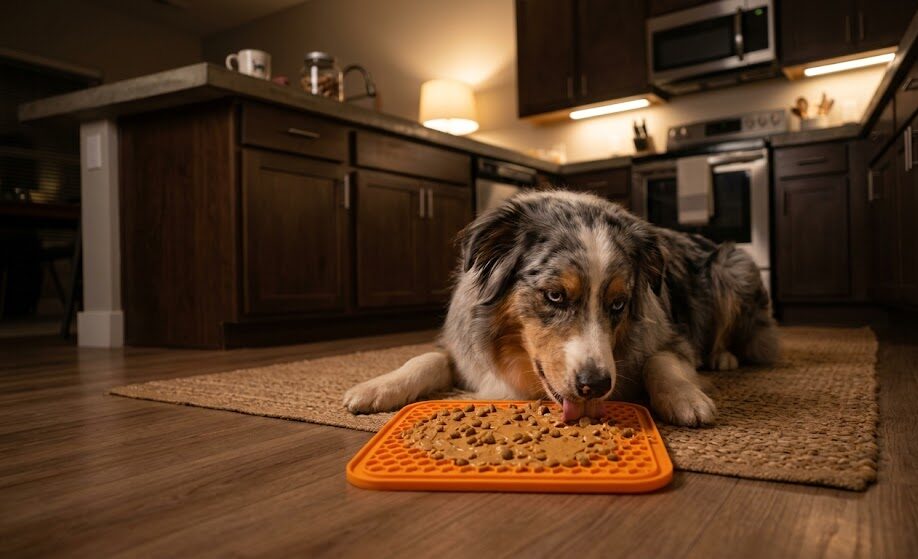
The physical act of licking triggers an automatic chemical release of calming endorphins that quickly reduces a dog’s elevated heart rate. Offer your pet a frozen lick mat or a stuffed rubber puzzle toy exactly five minutes before you walk out the door. For a complete master plan on utilizing these organic, non-medicated decompression techniques, apply the methods outlined in how to calm an anxious dog naturally today.
FAQ
Q: Why does my rescue dog cry hysterically whenever I leave the house?
A: Shelter survivors often carry deep emotional trauma from sudden abandonment, making them highly vulnerable to severe separation distress. They require an incredibly predictable schedule and extra time to realize that your departures are not permanent abandonments. To help your new pet adjust, follow our specialized guide on how to help a nervous rescue dog feel safe properly.
Q: Should I come back inside to comfort my dog if they start crying?
A: Returning to your dog while they are actively crying tells them that their vocalizations are a highly successful way to bring you back. This accidental reinforcement will make the crying longer and more intense over time. You should only return when your dog has been completely quiet for at least ten consecutive seconds.
Q: Can leaving the television or radio on help stop my dog from crying?
A: Leaving a television or radio playing can provide comforting background noise that masks sudden outside sounds, but it will not cure genuine separation anxiety on its own. It works best as a minor supporting tool within a larger desensitization program. Try choosing calming classical music or specialized pet television stations to help soothe their nervous system.
Final Thoughts
Guiding your pet away from departure panic requires shifting your approach from human frustration to patient, empathetic behavior modification. Your dog is not crying to be stubborn or manipulative; they are simply overwhelmed by a genuine survival crisis. By desensitizing them to your keys, providing high-value puzzle toys, and keeping departures low-key, you can heal their underlying fear. Stay incredibly consistent, celebrate the small steps of progress, and look forward to a quiet, confident companion.