
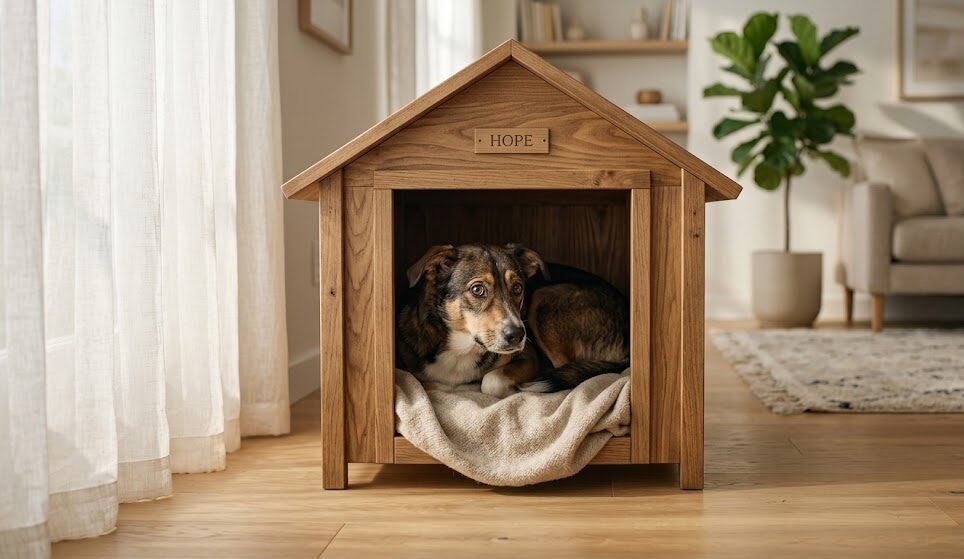
Bringing home a rescue animal is one of the most noble and deeply fulfilling milestones a pet parent can experience. However, the initial move-in phase often introduces unexpected behavioral challenges if your new companion has endured past trauma. Many shelter survivors arrive at their new environments carrying a heavy burden of profound environmental fear.
Learning how to help a nervous rescue dog feel safe requires immense patience, quiet dedication, and strategic lifestyle tracking. Without a structured decompression blueprint, a fearful dog can easily spiral into chronic psychological distress inside an unfamiliar household layout. This comprehensive educational guide delivers actionable, science-backed solutions designed to transform your new dog’s survival panic into relaxed, sustainable confidence.
The Core Dilemma: Decoding Shelter Dog Anxiety
To successfully soothe a traumatized animal, you must first recognize that their fear is an involuntary, biological survival response. A rescue dog does not inherently understand that your home is a permanent sanctuary; they simply see a strange territory filled with unfamiliar triggers. Recognizing their silent cries for assistance is the vital first step toward restoring their internal emotional wellness.
Recognizing the Subtle Signs of Severe Stress
Many well-meaning owners mistake quiet, shut-down behavior for a peaceful disposition or immediate adaptation. In reality, a deeply terrified rescue dog may simply freeze, refuse food, or hide behind furniture for several consecutive days. To help you map these quiet survival signals against a professional diagnostic framework, review the subtle signs of anxiety in dogs immediately.
Managing Overlapping Relocation Triggers
The abrupt transition from a chaotic shelter kennel to a quiet domestic home can shock a dog’s sensitive nervous system. This disorientation frequently triggers regression in basic habits, unexpected defensive growling, or intense vigilance regarding your household movements. If your newly adopted companion is currently exhibiting severe displacement panic across your floor layout, explore our master blueprint on dog anxiety after moving to a new home to stabilize their environment.
Step 1: Honoring the 3-3-3 Dog Decompression Timeline
Overcoming deep-seated rescue dog anxiety is a slow process that unfolds across distinct psychological phases. Canine behaviorists categorize this transition using the “3-3-3 rule,” which outlines what to expect during the first three days, three weeks, and three months. Honoring this timeline prevents you from rushing your dog before their nervous system is ready.
The 3-3-3 Rescue Dog Decompression Blueprint
Phase 1: The Initial Transition
- Dog feels completely overwhelmed and may refuse to eat or play.
- Focus exclusively on quiet isolation and basic survival security.
Phase 2: Routine Integration
- The animal begins settling into your structural house routines.
- True personality traits and hidden behavioral quirks start emerging.
Phase 3: Complete Bonding
- Complete sense of environmental ownership and deep human bonding.
- The perfect time to introduce advanced obedience and public trips.
Navigating the Delicate First Three Days
During the initial seventy-two hours, your rescue dog’s adrenaline levels are typically maxed out from the stress of relocation. Avoid inviting guests over, shield them from loud appliances, and do not force them into direct physical contact. Your only goal during this phase is proving to the dog that no harm will come to them inside your walls.
Step 2: Setting Up an Inviolable Sensory Safe Zone
An anxious animal cannot decompress if they are constantly forced to face high-traffic areas or unexpected household noises. You must establish a dedicated, low-stimulus sanctuary where your new pet can retreat whenever they feel emotionally overwhelmed. This designated area serves as their personal emotional anchor while they adapt to your daily routine.

Shielding Their Sanctuary from Midnight Panic
Nervous rescue animals are exceptionally prone to experiencing heightened panic attacks once the evening darkness sets in. The absence of daytime ambient light can cause them to pace continuously or pant heavily due to sensory disorientation. If your new companion struggles to rest peacefully after bedtime, discover how to remedy this nocturnal stress by having the phenomenon of dog panting and pacing at night explained completely.
Top Amazon Affiliate Gear to Accelerate Security
Providing your rescue dog with targeted soothing tools can dramatically reduce the time it takes for them to feel secure. These curated solutions are specifically engineered to lower cortisol levels and prevent escape attempts during the initial transition phase.
Rescue Dog Decompression Gear
| Product Category | Primary Decompression Benefit | Best Strategic Usage | Check on Amazon |
|---|---|---|---|
| Maternal Pheromone Kit | Emits calming synthetic scents that mimic a mother dog’s natural security signals. | Near primary safe zone | View Price ➔ |
| Escape-Proof Harness | Features a secure three-strap design to prevent a panicked rescue dog from slipping away. | All outdoor potty breaks | View Price ➔ |
| Orthopedic Nesting Bed | Deeply bolstered edges provide a physical sense of cocooning insulation and warmth. | Inside a quiet bedroom | View Price ➔ |
Step 4: Mastering Passive Trust-Building Techniques
One of the most common mistakes pet parents make is trying to comfort a fearful dog by invading their personal space. Forcing physical affection, hugging, or staring directly into a nervous dog’s eyes can be perceived as an intense threat. Instead, you must leverage passive interaction strategies that allow the dog to dictate the pace of relationship building.
The Power of Intentional Ignoring
Sit quietly on the floor in the same room as your dog while reading a book or working on your laptop. Completely avoid looking at them, speaking to them, or moving toward their physical boundary line. This non-threatening posture teaches your rescue dog that your presence is completely safe, predictable, and carries zero structural pressure.
Managing Sudden Attention Spikes Comfortably
As your rescue dog begins to feel secure, they may suddenly transition into tracking your every movement through the house. While this shows progress, it can quickly escalate into a severe, panic-driven dependency if not guided correctly. If your new companion has rapidly transformed into a permanent household shadow, learn how to establish healthy boundaries by exploring why is my dog suddenly so clingy today.
Step 5: Implementing Low-Arousal Mental Enrichment
A nervous dog’s brain is often stuck in a repetitive loop of hypervigilance, constantly scanning the environment for perceived dangers. Shifting their focus toward independent foraging tasks naturally breaks this stress cycle while exhausting their trapped cognitive energy. These activities trigger the release of mood-stabilizing endorphins, providing a gentle pathway toward emotional self-soothing.

Harnessing the Biological Benefits of Licking
The physical act of repetitive licking is an organic, self-soothing behavior that naturally lowers a canine’s baseline heart rate. Provide your rescue dog with textured lick mats covered in organic peanut butter or wet food exclusively inside their safe zone. For a complete master plan on utilizing these low-arousal scent and foraging tasks to dissolve fear without heavy medication, read our comprehensive guide on how to calm an anxious dog naturally right now.
FAQ
Q: Why does my nervous rescue dog flinch or run away when I try to pet them?
A: Sudden hand movements approaching from above a dog’s head can easily trigger a defensive fear response, especially if the animal has a history of physical abuse or poor socialization. To a traumatized shelter survivor, an outstretched human hand looks like an incoming threat rather than an offer of affection. Always drop your body posture lower, offer your hand low with the palm facing upward, and allow the dog to approach and sniff you first.
Q: How long should I wait before introducing my new rescue dog to friends and family?
A: You should completely avoid introducing your new rescue dog to extended family members, neighbors, or unfamiliar guests for at least the first two to three weeks. Forcing a fearful animal to interact with strangers before they have bonded with their primary handler can trigger severe defensive aggression or profound emotional shutdowns. Allow your pet to completely map your household layout and view you as a reliable source of safety before expanding their social circle.
Q: Is it normal for a newly adopted shelter dog to refuse food for the first few days?
A: Yes, temporary appetite loss is an incredibly common physiological reaction to high levels of acute relocation stress and adrenaline spikes. When an animal’s nervous system is stuck in a prolonged fight-or-flight survival state, their digestive tract naturally slows down completely. Never force your dog to eat; instead, leave a bowl of high-value food inside their quiet safe zone overnight when the house is dark and completely silent.
Final Thoughts
Learning how to help a nervous rescue dog feel safe is a deeply transformative journey that requires a shift from human expectations to canine reality. Your new companion is not trying to be difficult or stubborn; they are simply fighting to process an overwhelming wave of unfamiliar sensory inputs. By protecting their dedicated safe zone, respecting the 3-3-3 timeline, and leveraging passive trust exercises, you build an unbreakable foundation of security. Stay exceptionally consistent with your daily boundary parameters, celebrate the tiny milestones of progressive confidence, and enjoy the beautiful reward of watching a once-fearful shelter survivor finally realize they are home.