
Featured Image Placement:
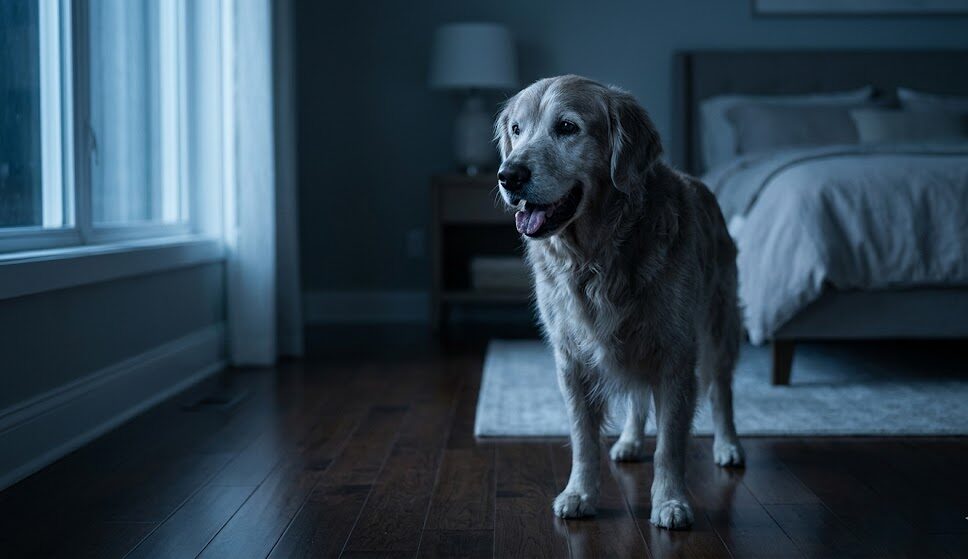
Few situations cause a pet parent more immediate concern than waking up in the middle of the night to the sound of clicking claws on the floor. When this restless movement is paired with heavy, breathless panting, it becomes clear that your canine companion is experiencing significant distress. While daytime panting is usually a normal biological response to physical exertion or warm weather, nocturnal pacing typically signals a deeper underlying issue.
Having the phenomenon of dog panting and pacing at night explained requires exploring a combination of canine psychology, environmental factors, and veterinary medicine. When a dog cannot settle down after the sun goes down, their nervous system is actively struggling to process internal or external stressors. This comprehensive educational guide will break down the primary reasons for nighttime dog pacing and provide practical, actionable solutions to restore peace to your home.
The Core Problem: Why Nocturnal Distressed Behavior Occurs
To successfully remedy nighttime restlessness, you must first recognize that this behavior is a symptom of a larger emotional or physical imbalance. Unlike humans, who can verbally communicate their discomfort, domestic dogs rely entirely on body language to signal internal panic. When your dog paces or pants incessantly while the rest of the household sleeps, they are actively looking for relief from an unseen stressor.
Psychological Triggers and Midnight Anxiety
Nocturnal panic often stems from a sudden drop in environmental stimuli, which leaves an anxious animal alone with their internal fears. When the house becomes completely dark and quiet, a dog’s sensory focus sharpens on minor shadows or distant neighborhood sounds. This isolation frequently exacerbates foundational emotional problems, making it highly beneficial to review the broader signs of anxiety in dogs to map their daytime habits accurately.
Physical and Medical Catalysts
In many instances, a sudden onset of heavy panting and pacing during the night points directly to underlying physical pain or medical discomfort. Conditions like canine arthritis, hip dysplasia, and internal metabolic issues often become significantly more painful when an animal lies still for prolonged periods. Additionally, senior dogs frequently suffer from Canine Cognitive Dysfunction (CCD), a condition mirroring human dementia that completely scrambles their internal sleep-wake cycle.
Step-by-Step Solutions to Restore Peaceful Sleep
Helping an anxious animal relax during the night requires a structured approach that combines lifestyle consistency with physical environmental modifications. By systematically removing potential stress triggers from your bedroom layout, you can naturally lower your pet’s baseline cortisol levels. These behavioral updates work together to teach your dog’s primitive brain that the night is a safe time for deep rejuvenation.
Building a Low-Stimulus Sleep Sanctuary
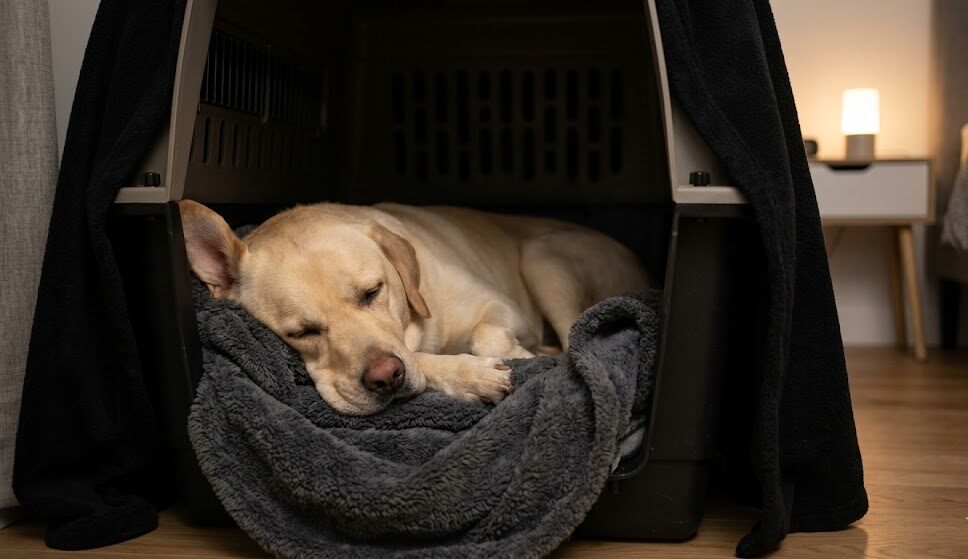
Transform your dog’s designated sleeping area into an inviolable safe haven by isolating it from changing outdoor temperatures and sudden auditory disruptions. Place a supportive orthopedic memory foam bed in a secure corner away from drafty windows or echoing hallway perimeters to alleviate joint pressure. If you need a comprehensive plan to address persistent tracking behavior before bedtime, explore our dedicated guide on why is my dog pacing at night immediately.
Desensitizing the Bedroom Transition
Many hyper-attached velcro dogs begin panicking the exact moment they realize the household is preparing to turn off the lights for the night. If your pet exhibits an escalation in attention-seeking habits as bed approaches, discover the best ways to manage this by understanding why is my dog suddenly so clingy before the behavior hardwires. Practice keeping your pre-sleep routines entirely low-key and neutral to prevent triggering an anticipatory adrenaline spike in your animal.
Top Gear to Encourage Independent Nighttime Relaxation
Integrating targeted calming tools into your evening routine can provide your dog with the sensory support they need to self-soothe naturally. These highly rated products are exceptionally beneficial for masking environmental triggers and offering physical comfort throughout the night.
Nocturnal Calming Gear Comparison
| Product Category | Primary Behavioral Benefit | Best Strategic Usage | Check on Amazon |
|---|---|---|---|
| Orthopedic Memory Foam Bed | Minimizes age-related joint pain and structural discomfort during long sleep cycles. | Warm, draft-free corner | View Price ➔ |
| White Noise Sound Machine | Effectively masks sudden outdoor noises, echoing sirens, and passing traffic. | Next to sleeping area | View Price ➔ |
| Pheromone Wall Diffuser | Releases synthetic maternal scents to naturally lower nocturnal canine adrenaline levels. | Main bedroom outlet | View Price ➔ |
Fostering Autonomy Through Evening Mental Enrichment
An under-stimulated animal will frequently channel their unused cognitive energy into defensive nocturnal vocalizations, pacing loops, or heavy stress panting. If your dog spends the entire evening resting on the couch, their brain simply is not tired enough to sustain a deep sleep. Shifting their pre-bedtime focus toward structured foraging tasks naturally relaxes their nervous system without requiring intense physical overexertion.
Implementing Low-Arousal Brain Decompression
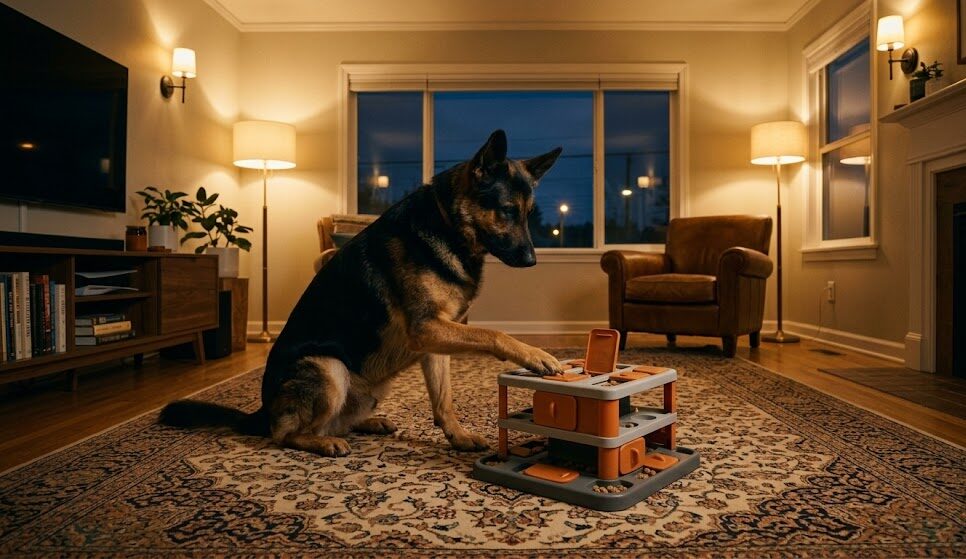
Engaging your dog in a low-intensity scent or licking task right before bed triggers the natural release of calming, mood-stabilizing endorphins. Provide your companion with a frozen rubber foraging toy filled with natural rewards or a textured lick mat to encourage steady, repetitive licking behaviors. For a complete master plan on utilizing these organic, non-medicated decompression techniques inside your home, apply the methods outlined in how to calm an anxious dog naturally today.
FAQ
Q: Why is my dog suddenly panting and pacing only when the house goes completely dark?
A: When you turn off the lights, your dog loses a significant amount of their visual orientation, which can cause immediate vulnerability panic. Additionally, the complete drop in daytime ambient noise makes distant neighborhood sounds, house creaks, or pipe vibrations sound incredibly loud to sensitive canine ears. If your pet has recently undergone a major geographical transition, this environmental shift can be magnified by managing dog anxiety after moving to a new home improperly.
Q: Could my dog’s nighttime pacing be a direct indicator of hidden physical pain?
A: Yes, persistent pacing that occurs exclusively at night is a primary clinical indicator of chronic orthopedic pain, such as canine osteoarthritis. When a dog lies down on a flat surface for several hours, their joints naturally stiffen up, causing deep, throbbing discomfort when they try to rest. The dog stands up and paces continuously because the physical act of moving helps lubricate their painful joints and temporarily eases the structural ache.
Q: How can I tell the difference between normal temperature regulation panting and stress panting?
A: Normal cooling panting features a relaxed, extended tongue, loose facial muscles, and generally subsides quickly once the dog moves to a cooler floor tile. Conversely, anxiety-driven stress panting is characterized by tightly drawn lip corners, a tense facial structure, whale eyes showing whites, and shallow, rapid breathing. Furthermore, stress panting is almost always accompanied by secondary behavioral distress cues like whining, shadow-tracking your movements, or a complete inability to settle.
Q: Is it safe to use human white noise machines to mask outdoor triggers for my dog?
A: Yes, utilizing a standard human white noise machine or a dedicated box fan is an exceptionally safe and highly effective way to buffer startling night sounds. The continuous, low-frequency hum successfully masks sharp auditory spikes from passing cars, wind gusts, or nocturnal wildlife that would otherwise wake your pet. Ensure the machine is placed a safe distance away from your dog’s crate to protect their sensitive ears while providing a protective sound wall.
Final Thoughts
Successfully navigating chronic nocturnal restlessness is an evolutionary journey that requires immense patience, tracking consistency, and targeted environmental adjustments. Remember that an anxious dog pacing at night is not acting out of malice or intentionally trying to disrupt your sleep schedule. By prioritizing a thorough veterinary checkup to eliminate physical discomfort, implementing a dedicated white noise routine, and providing brain enrichment games, you can restore balance. Remain profoundly consistent with your lifestyle parameters, protect their sleeping sanctuary from external disruptions, and look forward to enjoying peaceful, deeply restorative nights alongside your confident companion.