
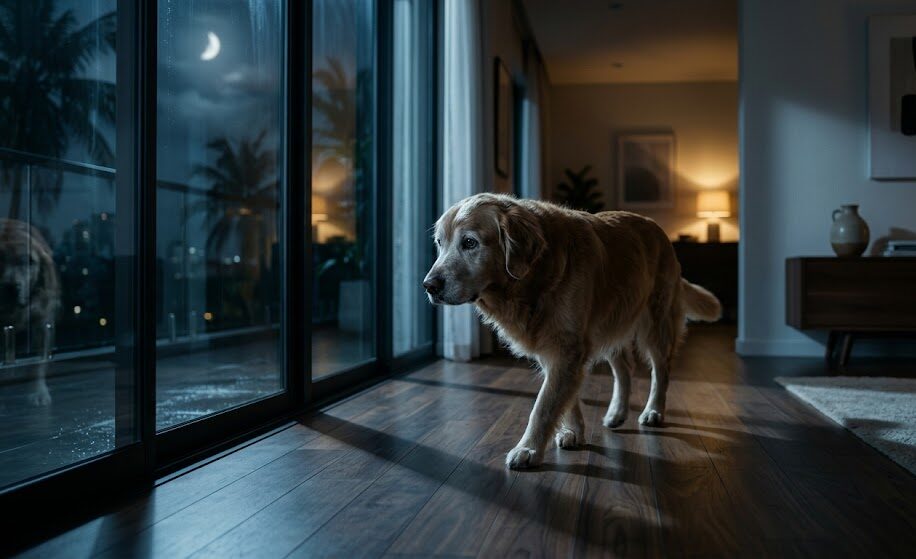
If your dog keeps pacing at night, they may be trying to tell you that something feels different. Nighttime pacing can be linked to anxiety, a need to go outside, pain or discomfort, changes in routine, excess stimulation, age-related cognitive changes, or another medical issue.
The pattern matters. Pay attention to when the pacing starts, whether your dog is panting or whining, whether they ask to go outside, and whether they seem painful, confused, or unable to settle. Those details can help you decide what to try at home and when it is time to contact your veterinarian.
Quick Answer: Why Is My Dog Pacing at Night?
Dogs may pace at night because of stress or anxiety, a potty or urinary need, physical discomfort, too much evening stimulation, a recent routine change, canine cognitive dysfunction in older dogs, or another health problem. A one-off restless night may have a simple explanation, but sudden, persistent, or severe pacing deserves closer attention.
7 Common Reasons Dogs Pace at Night
1. Anxiety or Stress
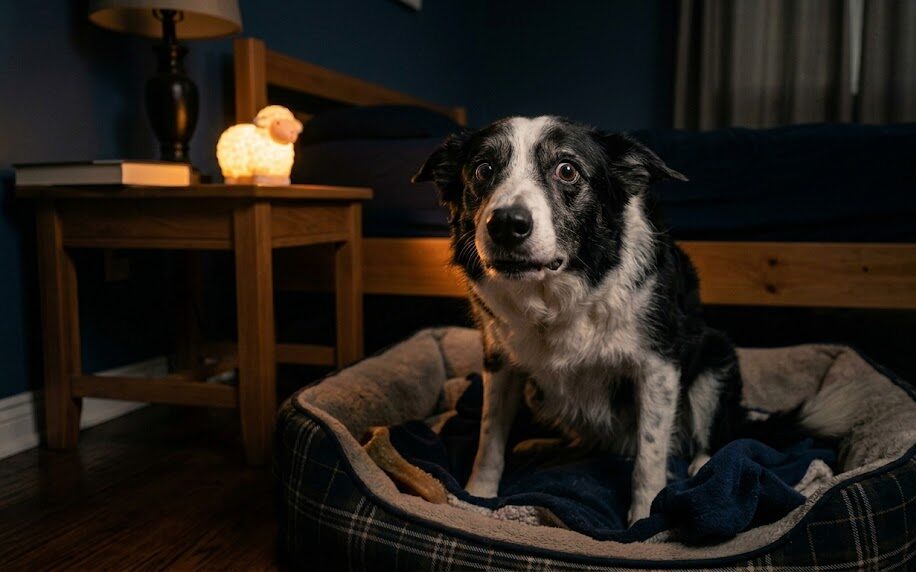
Some dogs become more alert after the house gets quiet. Separation concerns, unfamiliar noises, storms, visitors, a recent move, or changes in the household can make it difficult to settle. Pacing caused by anxiety may occur with panting, whining, following you closely, trembling, or repeatedly checking doors and windows. If you notice hiding or shaking as well, see our guide to why dogs shake and hide.
2. Your Dog Needs to Go Outside
A dog that suddenly starts pacing may simply need a bathroom break, especially after drinking more water than usual, eating later than normal, or having a change in feeding schedule. Repeated nighttime requests to urinate, straining, accidents, diarrhea, or obvious discomfort should be discussed with a veterinarian because they can point to an underlying medical issue.
3. Pain or Physical Discomfort
Dogs in discomfort may have trouble finding a comfortable position. Joint stiffness, back pain, digestive upset, skin irritation, or other physical problems can lead to repeated standing, walking, circling, or changing sleeping spots. A dog that is reluctant to lie down, moves stiffly, cries out, guards part of the body, or suddenly avoids normal activities should be evaluated by a veterinarian.
4. Too Much Energy or Evening Stimulation
Late, high-energy play or an unusually inactive day can leave some dogs restless at bedtime. A calm evening routine often works better than intense exercise immediately before sleep. Gentle sniffing, a relaxed walk earlier in the evening, and quiet enrichment may help your dog transition into rest more easily.
5. Changes in Routine or Environment
Dogs often rely on predictable routines. A new work schedule, travel, a move, a new pet, a baby, visitors, or even a different sleeping location can temporarily disrupt nighttime behavior. If your dog has also become unusually attached to you, our guide on why dogs suddenly become clingy may help you identify related stress signals.
6. Canine Cognitive Dysfunction in Senior Dogs
Older dogs can develop age-related cognitive changes that affect sleep, orientation, house-training, and daily routines. Nighttime wandering or pacing may occur alongside staring, getting stuck in corners, sleeping more during the day, waking at unusual hours, or seeming confused in familiar spaces. These signs are not enough to diagnose canine cognitive dysfunction on their own, so a veterinary assessment is important.
7. Other Medical Causes
Persistent restlessness can sometimes be associated with digestive problems, respiratory or heart disease, hormonal conditions, medication effects, neurological changes, or other illnesses. The goal is not to diagnose the cause at home but to notice patterns and recognize when professional evaluation is needed.
What Other Signs Should You Watch For?
Pacing becomes more informative when you look at the symptoms that occur with it. Panting, vocalizing, repeated trips to the door, stiffness, confusion, or difficulty lying down can point you toward different possibilities. Our separate guide on dog panting and pacing at night looks more closely at that specific combination.
| What you notice | Possible explanation | What to do next |
|---|---|---|
| Pacing with panting or whining | Stress, discomfort, overheating, or another health issue | Check the environment, offer calm support, and contact a vet if it is persistent or severe |
| Pacing and repeatedly asking to go outside | Potty need, digestive upset, or urinary discomfort | Take your dog outside and watch for straining, diarrhea, accidents, or repeated urgency |
| Senior dog pacing with confusion | Pain, sensory changes, or age-related cognitive changes | Arrange a veterinary assessment and track sleep and behavior changes |
| Pacing with a swollen abdomen, repeated unproductive retching, collapse, or major breathing difficulty | Possible emergency | Seek urgent veterinary care |
What to Do Tonight
Start with simple, low-stress checks. Offer a calm potty break, make sure the room is not too hot or noisy, provide fresh water, and give your dog a comfortable place to lie down. Avoid punishment or forcing a distressed dog to remain in one spot. If your dog seems otherwise well, a predictable wind-down routine may help.
For dogs that appear anxious rather than ill, dim lighting, a familiar sleeping area, gentle background noise, and quiet enrichment can be useful. You can also review our guide on how to calm an anxious dog naturally for additional low-stress ideas.
When Should You Call a Veterinarian?
Contact your veterinarian if the pacing is new and unexplained, keeps happening, is getting worse, disrupts sleep repeatedly, or comes with pain, appetite changes, vomiting, diarrhea, excessive thirst or urination, coughing, weakness, confusion, or major behavior changes.
Seek urgent veterinary care for severe breathing difficulty, collapse, a swollen or painful abdomen, repeated unproductive retching, uncontrolled vomiting, obvious severe pain, or any rapid deterioration. This article is educational and cannot diagnose the cause of your dog’s pacing.
Track the Pattern for 2–3 Nights
If your dog is stable and the pacing is mild, write down when it starts, how long it lasts, when your dog last ate and went outside, whether they pant or vocalize, whether they can lie down comfortably, and whether you notice daytime sleep or confusion. A short video can also help your veterinarian understand the behavior if an appointment becomes necessary.
How to Help Your Dog Settle More Comfortably
Create a Predictable Bedtime Routine
Try to keep evening meals, walks, potty breaks, and bedtime reasonably consistent. Predictability can be reassuring for anxious dogs and especially helpful for older dogs that become disoriented at night.
Make the Sleeping Area Easy to Use
Choose a quiet, comfortable sleeping area with good footing and easy access to water. Senior dogs may benefit from a supportive bed and a small night-light if darkness appears to increase confusion. Newly adopted dogs may need extra time to feel secure; see our guide on helping a nervous rescue dog feel safe.
Frequently Asked Questions
Why is my older dog suddenly pacing at night?
Older dogs may pace because of pain, changes in vision or hearing, a disrupted sleep-wake cycle, or canine cognitive dysfunction. Because several conditions can look similar, new nighttime pacing in a senior dog is worth discussing with a veterinarian.
Why is my dog pacing and panting at night?
Pacing with panting can occur with anxiety, heat, pain, or other medical problems. Check the room temperature and look for additional signs such as trembling, vomiting, stiffness, coughing, or difficulty settling. Persistent or severe symptoms should be assessed by a veterinarian.
Should I let my dog outside if they are pacing?
A calm potty break is a reasonable first step, especially if your dog is heading toward the door or has not been outside recently. Repeated urgency, straining, accidents, diarrhea, or unusually frequent urination should be discussed with your veterinarian.
Can a change in routine cause nighttime pacing?
Yes. Moving, travel, visitors, a new work schedule, or changes in household members can increase stress and disrupt a dog’s normal sleep routine. Keeping meals, walks, and bedtime more predictable may help while your dog adjusts.
Should I crate my dog when they will not stop pacing?
If your dog is already comfortable and relaxed in a crate, it may remain a familiar sleeping space. Do not suddenly confine a panicked, painful, or unwell dog in an unfamiliar crate. First identify why they are restless and seek veterinary advice when needed.
Final Thoughts
Nighttime pacing is a symptom, not a diagnosis. Sometimes the answer is as simple as a potty break or an unsettled routine; other times pain, illness, or age-related changes may be involved. Watch the pattern, make your dog’s environment comfortable, and seek veterinary help when the behavior is sudden, persistent, severe, or accompanied by other concerning signs. If anxiety seems to be part of the pattern, review our guide to signs of anxiety in dogs for additional behaviors to watch.