
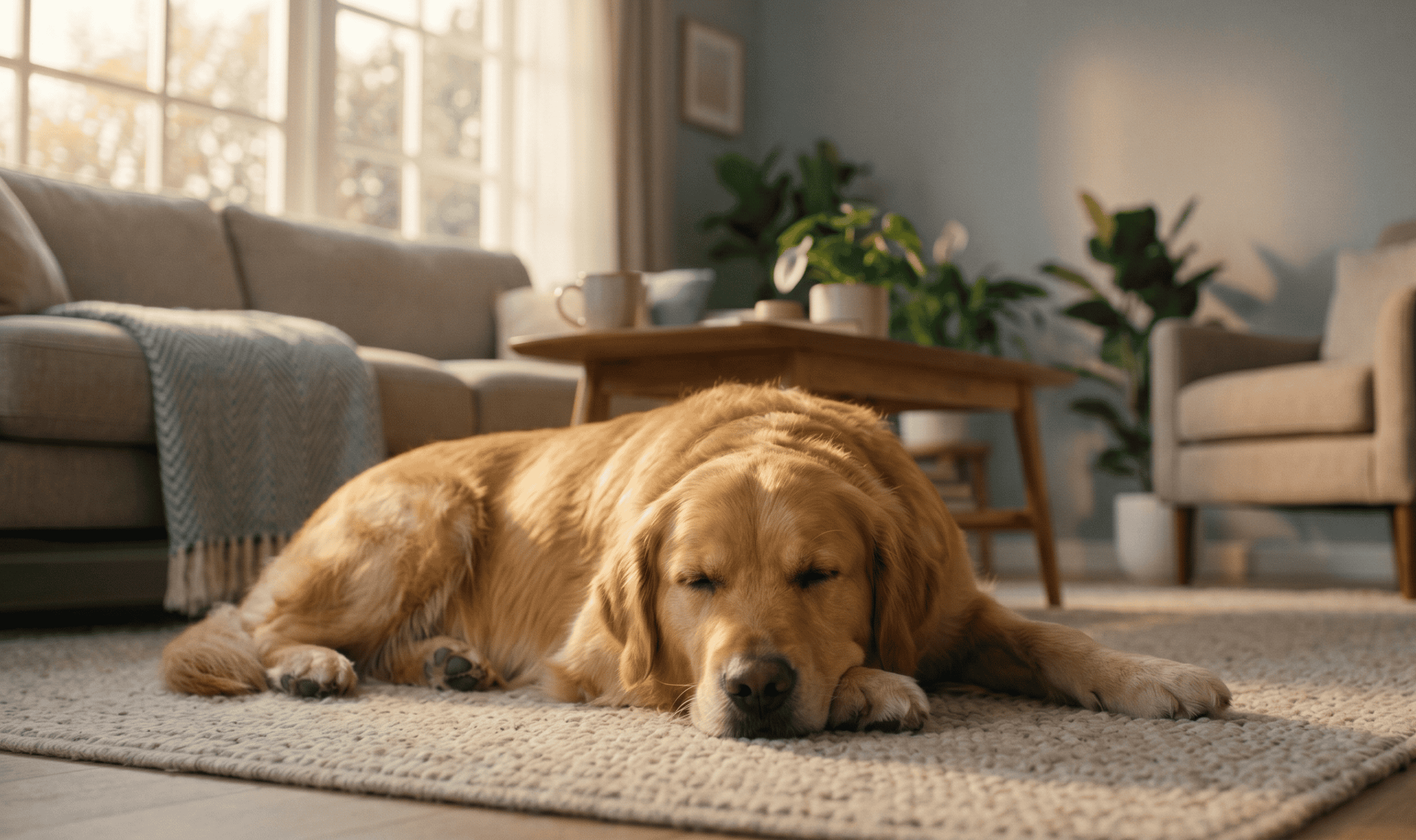
Watching your beloved four-legged companion cycle through chronic panic, panting, or unprovoked shaking is an incredibly heartbreaking experience for any dedicated pet parent. Whether your dog transitions into a state of absolute terror during summer thunderstorms or experiences severe distress whenever you walk out the front door, finding a sustainable path to relief is vital. Many owners feel completely overwhelmed by these sudden behavioral changes, assuming that heavy, sedating pharmaceuticals are the only option left to restore peace to their households.
Fortunately, learning how to calm an anxious dog naturally allows you to address the root psychological causes of chronic stress while gently soothing your pet’s overactive nervous system. By combining sensory environmental changes, intentional brain games, and time-tested holistic remedies, you can systematically lower your dog’s daily cortisol levels. This comprehensive guide serves as an actionable blueprint designed to rebuild your dog’s core confidence, stabilize their emotional wellness, and bring profound relaxation back into their daily life.
Step 1: Identifying the Subtle Root Causes of Canine Distress
Before you can effectively deploy natural remedies for dog anxiety, you must first decipher the unique silent messages your dog communicates through their body language. Dogs experience psychological tension quite differently than humans do, meaning their internal panic does not always manifest as obvious whimpering, cowering, or running away. Often, the earliest warning signs of declining emotional health are quiet, easy-to-miss behavioral shifts that occur during daily household routines.
Recognizing Common Dog Anxiety Symptoms
Many well-meaning pet parents accidentally mistake classic signs of canine fear for simple boredom, poor manners, or a sudden burst of stubborn defiance. For example, continuous lip licking when food is absent, frequent yawning in non-resting environments, and hypervigilance are standard physical expressions of deep psychological discomfort. If your dog exhibits a rigid bodily posture, displays the whites of their eyes during routine interactions, or consistently refuses high-value treats, they are actively dealing with an underlying stress trigger. To cross-reference these behaviors with a complete diagnostic list, discover the vital signs of anxiety in dogs that every dedicated owner should actively monitor.
Addressing Unexpected Environmental Shifts
A sudden onset of situational nervousness can leave owners scratching their heads, especially when the home environment seems completely quiet and stable on the surface. Unseen triggers like high-frequency appliance hums, subtle construction vibrations down the street, or slight variations in your departure schedule can easily compromise a sensitive dog’s internal security baseline. When these hidden anxieties are left unaddressed during the daytime hours, they typically compound and manifest as highly disruptive behaviors when the family attempts to unwind. If your pet’s behavioral distress tends to peak unexpectedly after dark, it is crucial to analyze why your dog is pacing at night to implement targeted lifestyle solutions.
Step 2: Redesigning the Physical Environment for Immediate Relief
An anxious dog’s sensory system remains stuck on high alert, meaning their immediate physical surroundings heavily dictate their resting heart rate and stress levels. If your living space is constantly bombarded with chaotic external noises, shifting shadows, and unpredictable foot traffic, a nervous dog cannot successfully downregulate their nervous system. Creating a dedicated, sensory-muted decompression zone is the fastest, most effective way to provide immediate dog stress relief without medical intervention.
THE CALMPAWLAB SENSORY DECOMPRESSION CHECKLIST
- A dark, blanket-covered crate or corner den located away from traffic
- Continuous low-frequency white noise or classical psychoacoustic music
- Opaque window films or closed blackout blinds to block visual triggers
- Cool room temperatures (68-72°F) to naturally offset stress panting |
Crafting an Inviolable “Safe Haven” Den
Every anxious animal requires an explicitly designated, highly predictable sanctuary in the home where they know they will never be disturbed by visitors or loud noises. This area should mimic an instinctual, wild canine den, ideally utilizing a durable plastic crate or a quiet closet corner outfitted with an orthopedic calming bed. Cover the top and sides of the area with a heavy, dark blanket to block out peripheral movement, allowing your dog’s brain to enter a restorative resting state.
Implementing Sensory Audio and Visual Blockers
External environmental triggers such as passing delivery trucks, neighborhood barking, or construction work can keep a sensitive dog in a perpetual state of defensive alertness. Introducing a dedicated white noise machine or streaming psychoacoustically designed classical music can effectively mask these disruptive outside sounds. Additionally, applying opaque window films or keeping blackout blinds closed during high-stress periods prevents visual triggers from constantly spiking your dog’s baseline anxiety.
Step 3: Utilizing Daily Mental Enrichment to Expel Anxious Energy
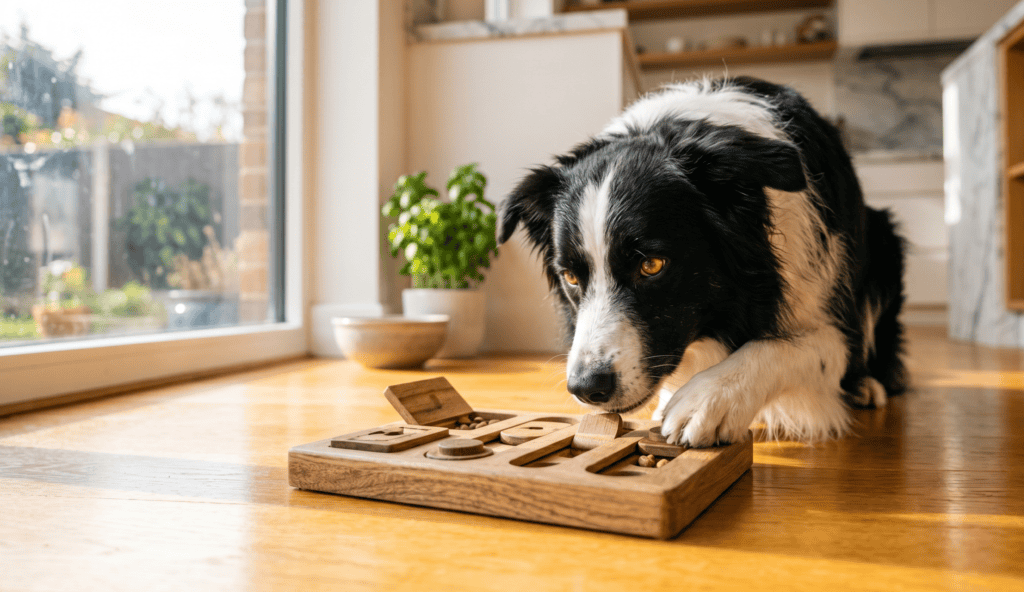
A significant percentage of generalized canine anxiety is born from unspent physical energy coupled with profound, chronic mental under-stimulation. When intelligent working breeds or highly active rescue dogs lack a daily cognitive outlet, their trapped mental bandwidth inevitably transforms into compulsive pacing, destructive chewing, or defensive barking. Implementing structured enrichment tasks effectively exhausts your dog’s brain, stimulating the natural release of soothing, mood-stabilizing neurotransmitters like dopamine and serotonin.
Decompression Sniff Walks vs. Intense Cardio
Many owners mistakenly believe that exhausting a nervous dog with an intense, high-speed game of fetch is the ideal way to fix behavioral restlessness. However, repetitive, high-arousal activities can actually flood your dog’s bloodstream with excess adrenaline, keeping them hyper-reactive for hours afterward. Transition instead to quiet, slow-paced decompression walks utilizing a fifteen-foot longline leash in expansive natural areas, allowing your dog to sniff uninterruptedly to lower their baseline pulse.
Harnessing Licking and Foraging Mechanics
The physiological mechanics of licking, chewing, and tearing are deeply rooted, instinctual coping behaviors that naturally lower a canine’s blood pressure during moments of emotional overstimulation. Ditch the standard plastic food bowl and transition to serving your dog’s meals inside interactive snuffle mats, heavy rubber foraging toys, or textured lick mats. Spreading plain, dog-safe Greek yogurt or pure pumpkin puree across a textured mat and freezing it solid creates a marvelous, thirty-minute calming distraction during stressful household events.
Step 4: Integrating Science-Backed Natural Remedies and Pheromones
When targeted environmental adjustments and daily mental enrichment aren’t completely sufficient to ease your pet’s panic, premium natural remedies for dog anxiety provide an excellent secondary defense. These holistic solutions work seamlessly with your dog’s existing biology to smooth out emotional spikes without inducing heavy, unnatural chemical sedation. Always introduce single-ingredient botanical options slowly and consult with a holistic veterinarian to ensure full safety across all life stages.
Key Botanical Ingredients to Look For
When evaluating commercial calming chews on Amazon, look past the front label and carefully analyze the active ingredient profile for clinically backed compounds. Prioritize formulas containing L-Theanine, a green tea derivative that safely amplifies alpha brain waves, alongside L-Tryptophan, which serves as the fundamental building block for serotonin synthesis. Furthermore, traditional natural botanicals such as Organic Chamomile, Valerian Root, and Passionflower work together elegantly to soothe muscle spasms and reduce nervous stomach upset during acute panic episodes.
The Subconscious Power of Pheromone Therapy
During nursing, a mother dog naturally synthesizes specific, odorless chemical markers known as Dog Appealing Pheromones (DAP) to instantly ground and reassure her puppies. Modern synthetic diffusers perfectly replicate these comforting chemical signals, sending a continuous, subconscious message of absolute safety throughout your home. Placing a plug-in pheromone diffuser in your dog’s preferred sleeping area provides a reliable, non-invasive therapeutic baseline that significantly curtails boundary scratching and vocal whining.
Step 5: Applying Long-Term Behavior Modification
While temporary calming tools and supplements offer immediate comfort, achieving permanent relief requires actively altering how your dog’s brain processes its environmental fears. True behavioral rehabilitation requires moving an animal away from an instinctual fight-or-flight panic response and guiding them toward neutral indifference or positive anticipation. This structural mental rewiring is accomplished through the patient, daily application of positive reinforcement and desensitization training.
Mastering Desensitization and Counterconditioning
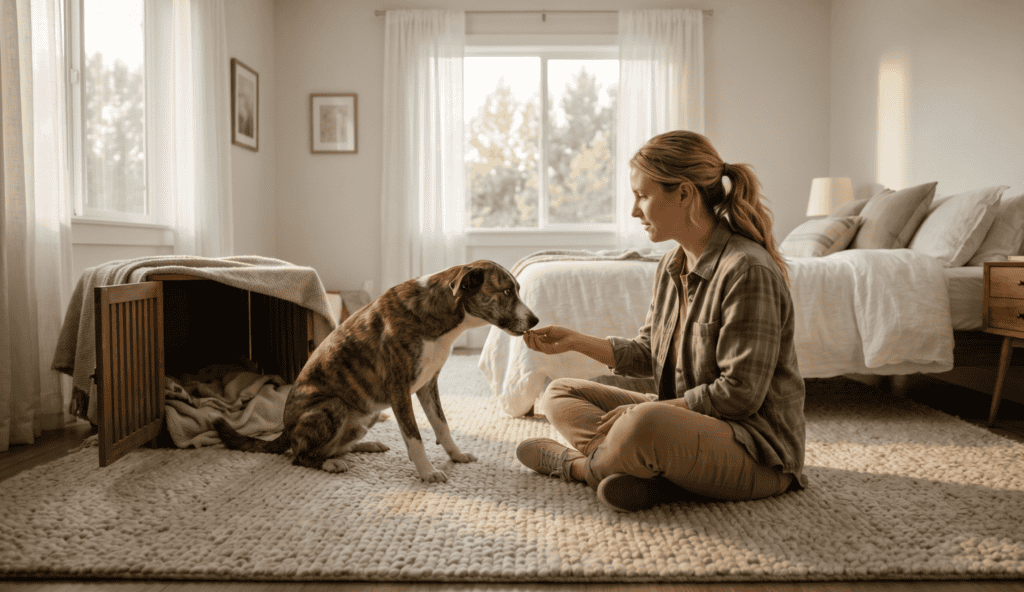
Desensitization involves safely exposing your dog to an incredibly faint, non-threatening version of their specific fear trigger so they remain well below their panic threshold. Counterconditioning is the immediate pairing of that faint trigger with an incredibly high-value reward, transforming their underlying emotional association from fear to joy. For instance, if your dog panics when you pick up your house keys, pick them up calmly dozens of times a day without leaving the house, instantly tossing a piece of savory roast chicken each time until the sound of the keys represents a rewarding experience.
Establishing Predictable Daily Routines
Dogs are comfort-driven creatures of habit that thrive when their daily schedules follow a rigid, highly predictable sequence of events. Random feeding times and sporadic bathroom breaks can introduce a subtle layer of chronic environmental uncertainty that exacerbates general behavior issues. Designing a consistent morning and evening routine provides structural clarity, ensuring your pet knows exactly when it is time to exercise, eat, and enter a state of deep rest.
FAQ
Q: How long does it take for natural calming remedies to show results in an anxious dog?
A: The precise timeline for natural stress relief depends heavily on the chosen modality and your dog’s individual neurochemistry. Immediate remedies like heavy-duty calming chews, pressure vests, and environmental white noise can induce a visible state of physical relaxation within 30 to 60 minutes. Conversely, altering deep-seated, chronic psychological phobias through desensitization training is a gradual process that requires several weeks of daily, structured practice.
Q: Is it safe to use human chamomile tea to help calm a restless dog naturally?
A: Yes, plain, caffeine-free chamomile tea that has been thoroughly brewed and allowed to cool down completely is entirely safe for canine consumption. You can comfortably pour a few tablespoons of the cooled tea directly over their evening kibble or blend it into their fresh water bowl to help soothe mild situational nerves or ease a stress-induced upset stomach. Always double-check the ingredient list to ensure the tea is 100% pure chamomile, containing absolutely zero toxic herbal blends or harmful artificial sweeteners like xylitol.
Q: Why does my anxious dog suddenly refuse to eat high-value treats during a thunderstorm?
A: When a dog’s brain encounters an overwhelming fear trigger, their sympathetic nervous system fires instantly, plunging their entire body into an acute fight-or-flight survival state. This massive adrenaline spike instantly shuts down all non-essential biological processes, including their basic digestive functions, making it physically impossible for them to swallow or process food. In these high-stress moments, stop forcing treat consumption and pivot entirely to providing a dark safe haven, playing white noise, or applying a snug pressure wrap.
Q: Can I safely leave a plug-in pheromone diffuser operating continuously around the clock?
A: Yes, commercial canine pheromone diffusers are specifically engineered to remain plugged into an active household electrical outlet continuously to maintain a stable, comforting chemical baseline across your living space. The specialized formula operates completely odorlessly to human noses and other non-canine domestic pets, making it an entirely safe, non-invasive therapeutic addition to your home. For optimal performance, ensure the diffuser is never blocked by heavy furniture or long curtains, and replace the liquid vial every thirty days.
Final Thoughts on Restoring Long-Term Canine Harmony
Successfully learning how to calm an anxious dog naturally is never about uncovering a single overnight miracle cure that permanently deletes behavioral challenges. Rather, true canine emotional wellness is a rewarding lifestyle journey centered around establishing predictable daily structures, providing vital cognitive outlets, and designing a home sanctuary that honors your dog’s ancestral needs. By consistently weaving together sensory modifications, rewarding brain enrichment, and patient positive reinforcement techniques, you provide your companion with the lifetime tools required to navigate the world confidently. Remain infinitely patient, celebrate the microscopic milestones of emotional recovery, and enjoy the beautiful bond of trust that grows stronger every single day.