
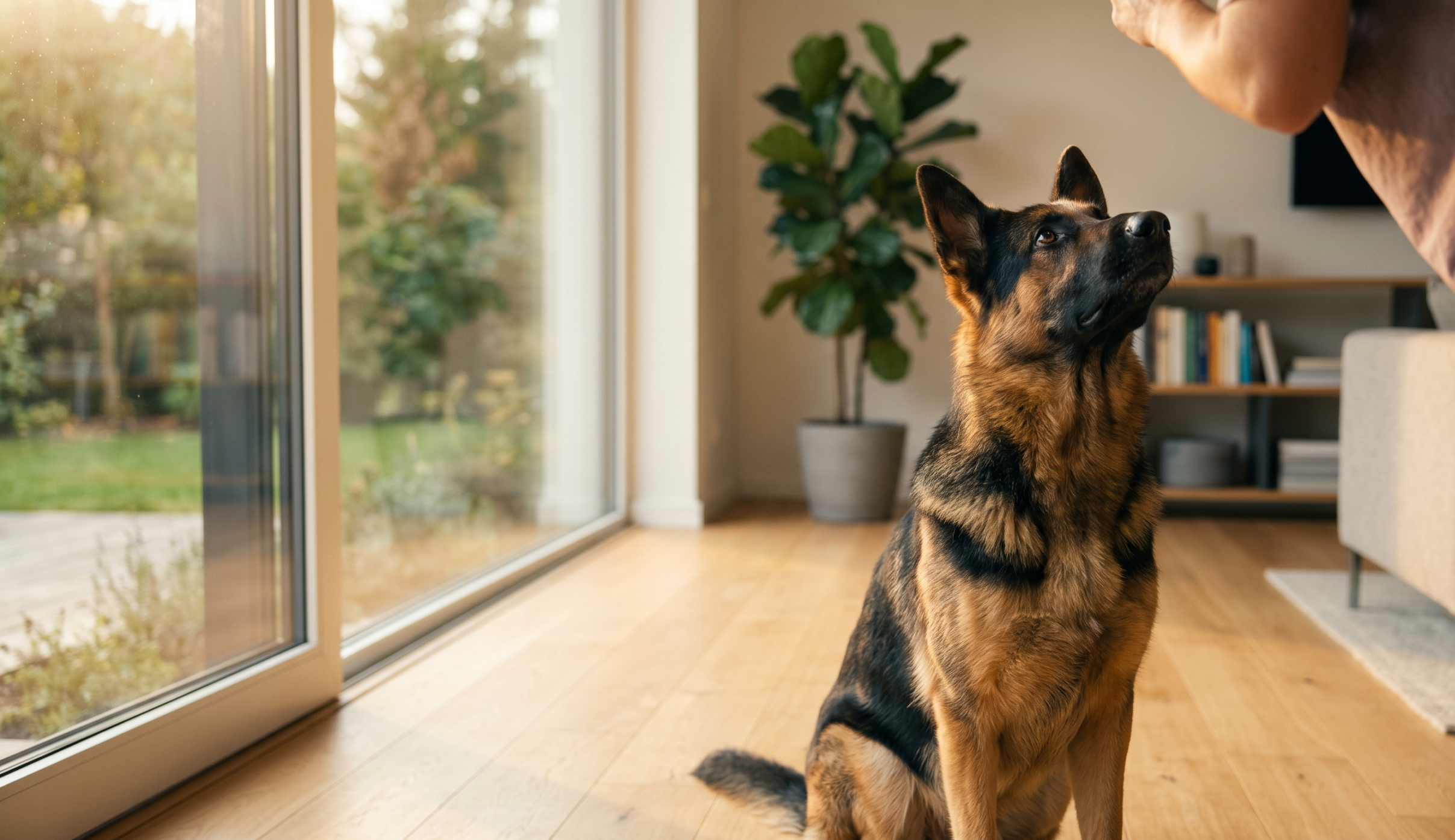
For many dedicated pet parents, privacy becomes a distant memory the moment they bring a canine companion into their household. Whether you are trying to cook dinner in the kitchen, answer a quick work call, or simply use the bathroom in peace, your furry shadow is likely glued directly to your side. While this constant companionship can feel incredibly heartwarming at first, it often leaves owners wondering if this intense level of attention is normal or healthy.
Understanding why your dog follows you everywhere requires a deep dive into canine instinct, domestic history, and behavioral psychology. In many instances, a clingy dog is simply displaying deep affection, looking for environmental cues, or satisfying an evolutionary pack drive. However, when constant shadow behavior is paired with underlying distress, it frequently points to hidden emotional imbalances that require proactive intervention. This comprehensive guide will help you decode your dog’s intense attachment patterns and provide actionable steps to build sustainable, stress-free confidence.
The Psychological Core: Why Is My Dog So Clingy?
To successfully manage a velcro dog, you must first separate basic breed traits and instinctual bonding habits from modern behavioral issues. Domesticated dogs are fundamentally cooperative social animals that evolved over thousands of years to work closely alongside human handlers. Consequently, looking to humans for safety, companionship, and structural direction remains deeply woven into their core genetic blueprint.
Evolutionary Pack Drives and the Clingy Phenom
Many working, herding, and hound breeds possess an innate genetic predisposition to maintain constant visual and physical contact with their chosen human. Breeds like Border Collies, Vizslas, and Labrador Retrievers were systematically bred to take frequent operational cues from their handlers throughout the day. When these driven dogs are placed into modern domestic households without a specific job, they often channel that raw genetic energy into shadowing their owners into every room.
The Positive Reinforcement Trap
Quite often, well-meaning pet parents inadvertently train their puppies to display extreme attention-seeking behavior without ever realizing it. Every single time you look down at your dog, speak to them softly, or drop a stray piece of food from the kitchen counter, you reinforce their proximity. Your dog quickly builds a strong internal logic loop: staying close to the human consistently results in delightful rewards, safety, and physical affection.
When Being a “Shadow” Signals a Deeper Emotional Problem
While having a loyal companion is wonderful, there is a distinct boundary between healthy devotion and panic-driven hyper-attachment. If your dog cannot rest peacefully in a separate room while you are home, their behavior may be fueled by underlying psychological distress. Identifying the exact emotional catalyst behind this intense clinginess is essential before attempting any behavioral modifications.
Distinguishing Velcro Behavior From Separation Anxiety
Velcro dog behavior occurs when a dog desires to be close to you specifically when you are actively inside the household structure. Conversely, true separation anxiety is a severe panic disorder that triggers intense distress the exact moment you leave the home completely. If your dog’s constant shadowing is accompanied by trembling, heavy panting, or hypervigilance, they may be struggling with broader psychological distress. To properly cross-reference these intense traits with a comprehensive diagnostic baseline, examine the core signs of anxiety in dogs that every modern owner should track.
VELCRO BEHAVIOR VS. SEPARATION ANXIETY
VELCRO DOGS:
- Follow you closely from room to room while you are home
- Relax relatively quickly once you leave the house.
SEPARATION ANXIETY:
- Panic, whine, or destroy doors when you are completely gone.
- Experience elevated heart rates and stress cortisol spikes.
Environmental Triggers and Age Factors
Sudden changes in household dynamics, moving to an unfamiliar home, or enduring a chaotic holiday season can cause a dog to cling to their owner for survival. Furthermore, senior dogs suffering from age-related cognitive decline often follow their handlers constantly because they experience profound disorientation in quiet environments. If your dog’s daytime clinginess regularly transitions into frantic pacing or heavy panting once the sun goes down, it is highly beneficial to evaluate why your dog is pacing at night to prevent chronic sleep deprivation.
Step-by-Step Solutions to Foster Healthy Independence
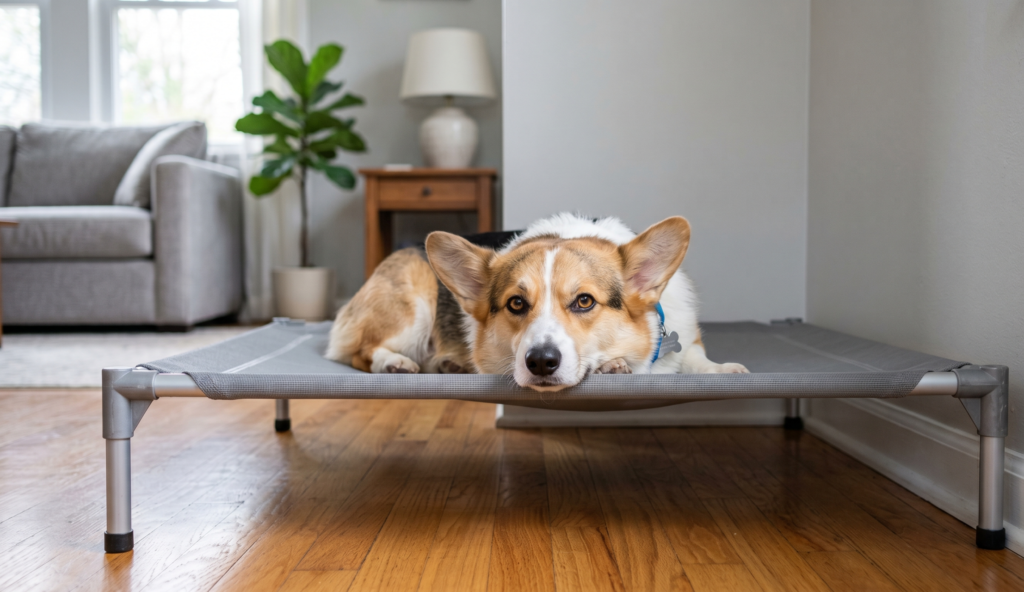
Helping your dog feel secure when they are a few feet away from you does not mean breaking your unique bond. Instead, you are providing them with the emotional tools required to self-soothe and navigate the home environment with calm confidence. By implementing structured training routines, you can systematically lower their dependence on your constant physical presence.
Mastering the “Place” Command
The absolute fastest way to dissolve obsessive shadow behavior is to teach your dog a highly rewarding, stationary “Place” command. Designate a specific orthopedic mat or raised cot in your main living space as their official boundary zone where they must remain until released. Reward your dog heavily with long-lasting treats exclusively while they stay on this mat, teaching them that distance from you is highly profitable.
Desensitizing Your Daily Movement Cues
Clingy dogs are expert observers who memorize your exact pre-departure patterns, such as closing your laptop, putting on shoes, or picking up car keys. When they hear these sounds, their anxiety spikes, causing them to leap up and follow you defensively. Practice triggering these specific sounds throughout the day without actually going anywhere until your dog completely ignores the cues. For a deeper look into restructuring your home routines to maximize emotional relief, read our master guide on how to calm an anxious dog naturally today.
Top Gear to Encourage Independent Relaxation
Sometimes, your dog needs a tangible, rewarding distraction to help them forget about your movements around the house. Integrating interactive tools gives your dog a productive job to focus on, effectively breaking their obsessive tracking habits. The following items are highly recommended to assist you in establishing structured, independent boundary routines.
Affiliate Product Comparison Table
| Product Category | Primary Behavioral Benefit | Best Used For | Real-World Product Example |
| Indoor Safety Gate | Creates a reliable physical boundary while allowing full visual contact. | Restricting kitchen access and bathroom shadowing. | Carlson Extra Wide Walk-Through Pet Gate |
| Frozen Foraging Toy | Stimulates prolonged chewing and licking to naturally lower cortisol. | Keeping dogs distracted during long home office calls. | KONG Classic Durable Rubber Toy |
| Mentally Engaging Puzzle | Redirects trapped cognitive energy away from tracking your footsteps. | Intelligent herding and working breed enrichment. | Outward Hound Nina Ottosson Puzzle Feeder |
Step 4: Building Confidence Through Mental Enrichment
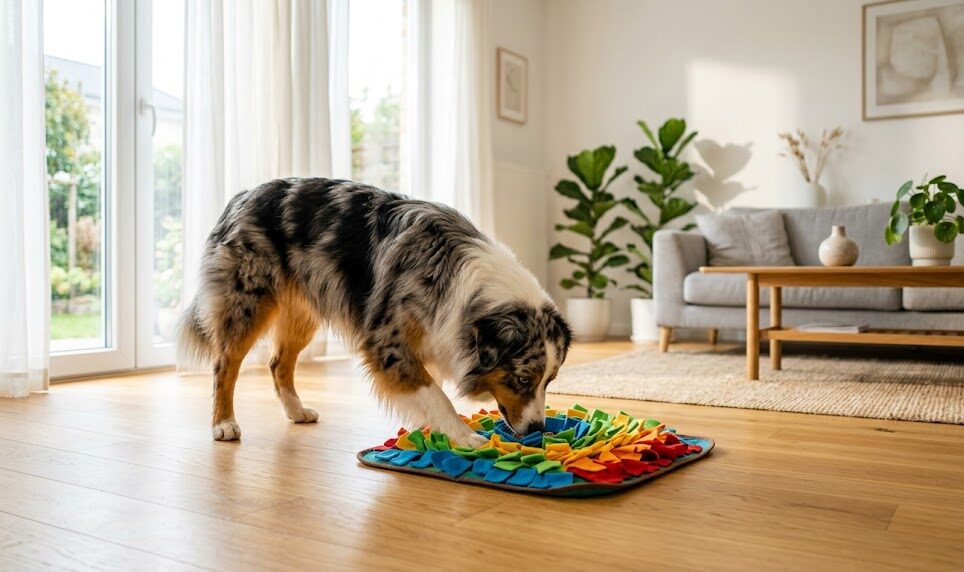
A dog that follows you constantly is often an under-stimulated animal searching for any form of entertainment or environmental input. When a dog’s day lacks structural complexity, your every movement becomes the most exciting event occurring in their entire world. Shifting their focus toward independent foraging tasks naturally alleviates boredom while dramatically improving their baseline emotional wellness.
Ditching the Food Bowl for Foraging Mats
If you are still feeding your dog from a standard metal bowl, you are missing out on a massive daily training opportunity. Transition to scatter-feeding their dry kibble inside a multi-layered snuffle mat or distributing wet food across a textured lick mat. These foraging activities trigger calm, instinctual scent behaviors that naturally tire out your dog’s brain without requiring your direct, hands-on participation.
FAQ
Q: Why does my dog suddenly follow me into the bathroom every single time?
A: From an evolutionary standpoint, dogs are instinctual pack animals that view your household as a shared, cooperative territory requiring constant mutual awareness. Furthermore, when you enter a small room like a bathroom, you are trapped in one spot, making it the perfect location for an attention-seeking dog to secure undivided affection. Finally, your dog simply does not possess a human concept of privacy, viewing your bathroom trip as a standard group activity.
Q: Should I completely ignore my dog when they display intense velcro behavior?
A: Completely ignoring your dog can occasionally backfire, causing their baseline internal anxiety to spike as they struggle harder to catch your attention. Instead of deploying cold avoidance, proactively direct your dog to a rewarding alternative activity, such as an independent chew toy or their designated place mat. This constructive approach teaches them exactly what behavior you want to see, rather than leaving them confused and emotionally ungrounded.
Q: Can adopting a second pet help stop my dog from following me everywhere?
A: Adopting a second animal is rarely a reliable solution for intense, human-directed hyper-attachment or localized separation anxiety. In most instances, a velcro dog is explicitly addicted to your specific human interaction, meaning they will continue to shadow you regardless of another pet’s presence. Focus your initial energy on building your current dog’s individual self-soothing skills and independent confidence before introducing a brand-new animal dynamic to the household.
Q: How can I tell if my dog’s clingy behavior is caused by a medical issue?
A: If your normally independent canine companion suddenly transitions into an obsessive, anxious shadow overnight, a veterinary exam is highly recommended. Hidden physical pain, sudden vision loss, hearing impairment, and underlying metabolic conditions can cause a dog to cling to their owner for physical protection. Always rule out internal medical discomfort with a licensed professional before assuming a sudden behavioral shift is purely psychological.
Final Thoughts on Balancing Canine Attachment
Successfully managing a dedicated “velcro dog” is never about extinguishing their beautiful loyalty or denying them genuine physical affection. Rather, true canine emotional education focuses on empowering your companion with the mental strength required to feel completely safe when you are out of sight. By consistently deploying clear physical boundaries, daily brain puzzles, and desensitizing your daily movements, you transform their anxious clinginess into calm, relaxed devotion. Be exceptionally consistent with your daily boundary training, remain endlessly patient through minor setbacks, and celebrate the beautiful reward of a truly confident, independent dog.