

Coming home to a shredded couch or destroyed pair of shoes is a stressful experience that tests even the most patient dog owner. While it is easy to assume your pet is acting out of spite, destructive behavior is almost always a sign of unmet needs or internal distress. You need to decode the message behind the mess to effectively change their habits.
Understanding destructive chewing in dogs is the first step toward restoring harmony in your home. By differentiating between simple puppy exploration and complex emotional triggers like anxiety, you can apply the right training methods. This guide explores why this happens and provides actionable steps to keep your home intact.
Distinguishing Between Typical Puppy Behavior and Anxiety
Before you can solve the problem, you must identify the source. Not all chewing is created equal, and mistaking a developmental stage for an emotional problem can lead to ineffective training. You must look at the context of when and where the destruction occurs.
The Teething Phase vs. Boredom
Puppies chew because their gums ache during the teething process, much like human infants. This behavior is temporary and usually stops once the adult teeth are fully set, provided you offer appropriate outlets. In contrast, an adult dog chewing out of pure boredom is simply lacking enough physical or mental stimulation throughout the day.
Recognizing Dog Anxiety Chewing
If your dog focuses their chewing on items that smell strongly of you—like dirty laundry or bedsheets—or if the damage happens primarily when you are away, you are likely dealing with signs of anxiety in dogs. This type of chewing is a self-soothing mechanism. The dog is literally trying to release stress and comfort themselves in your absence.
Practical Solutions to Stop Destructive Chewing
Once you have identified the cause, you can implement a structured plan to redirect that energy. Remember that management is just as important as training in the early stages. You must set your dog up for success by removing temptations while they learn new habits.

Environmental Management and Proofing
Your first line of defense is to eliminate access to “forbidden” items. Keep shoes, remotes, and household clutter behind closed doors or in cabinets until your dog proves they can be trusted. If you are struggling with a dog that constantly finds new things to destroy, read our tips on how to calm an anxious dog naturally to address the underlying agitation.
Increasing Mental and Physical Enrichment
A tired dog is a quiet, well-behaved dog. Increase the duration of your walks and incorporate scent games or obedience training sessions to exhaust their mind. If your dog remains restless despite exercise, look into why is my dog suddenly so clingy to see if you need to adjust your routine to manage their emotional well-being.
Top Tools to Manage Chewing and Enhance Training
Redirecting the instinct to chew is easier when you have the right tools. Investing in high-quality, durable items can save you hundreds of dollars in replaced household goods. Always supervise your dog when introducing new items to ensure they remain safe.
Recommended Chewing Management Tools
| Product Category | Benefit | Best Used For | Check on Amazon |
|---|---|---|---|
| Durable Rubber Toys | Withstands heavy chewing and keeps the jaw occupied. | Boredom & anxiety relief | View Price ➔ |
| Puzzle Feeders | Turns mealtime into a challenging brain game. | Mental enrichment | View Price ➔ |
| Bitter Deterrent Spray | Provides an unpleasant taste on off-limits furniture. | Discouraging specific areas | View Price ➔ |
Fostering a Calm Environment for Your Pet
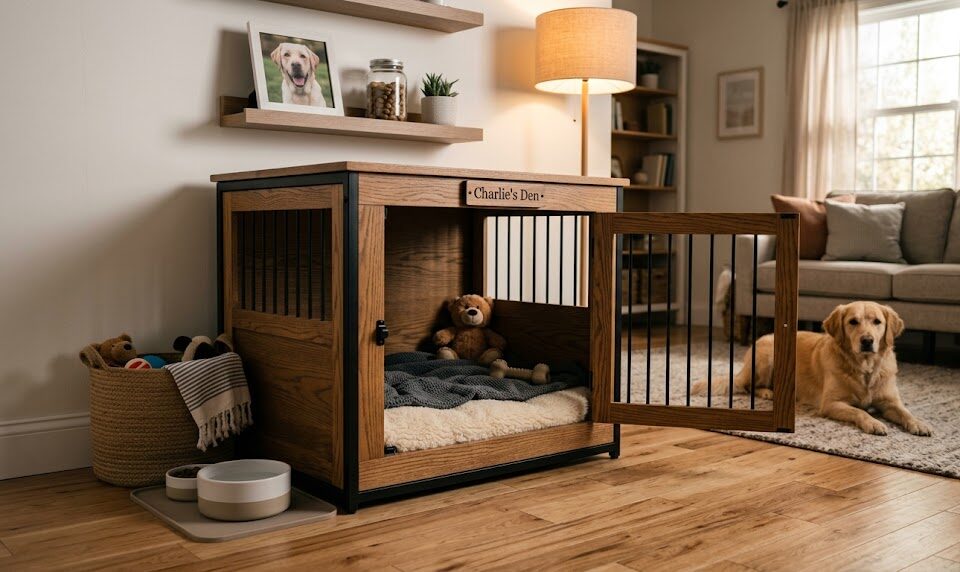
Destructive chewing often peaks when a dog feels unsupported or overwhelmed by their environment. Creating a safe “den” where the dog can retreat helps them self-regulate. By pairing this with consistent training, you can significantly reduce the frequency and intensity of destructive episodes.
The Importance of Consistency
Training is not a one-time event but a continuous process of communication. Be consistent with your rules, and ensure every family member is on the same page regarding what is allowed. If you find your dog is struggling with sudden behavior changes, explore why your dog is pacing at night to ensure no underlying health issues are involved.
FAQ
Q: Why does my dog only chew when I leave the house?
A: Chewing specifically during your absence is a hallmark symptom of separation anxiety. Your dog is not trying to be destructive; they are feeling intense panic and are attempting to self-soothe by chewing. This behavior requires a targeted approach to building their confidence when alone, rather than just basic obedience training.
Q: Will my puppy grow out of this destructive chewing behavior?
A: If the chewing is caused by the teething phase, yes, they will likely grow out of it as their adult teeth emerge. However, if the chewing is rooted in boredom or anxiety, it will not resolve on its own. You must actively provide proper outlets and training to ensure it doesn’t become a lifelong habit.
Q: Can I use punishment to stop the chewing?
A: Punishment after the fact is ineffective because dogs cannot associate a past action with a current scolding. Punishment also increases anxiety, which often triggers more destructive chewing. Focus entirely on positive reinforcement by rewarding them for chewing on appropriate items instead of furniture.
Final Thoughts
Solving destructive chewing requires a shift from frustration to observation. By looking beneath the surface, you will often find a bored, anxious, or teething puppy in need of guidance. Stay patient, increase their daily mental enrichment, and keep your home “puppy-proofed” while they learn. With consistency, you will find that your dog eventually chooses their toys over your furniture.